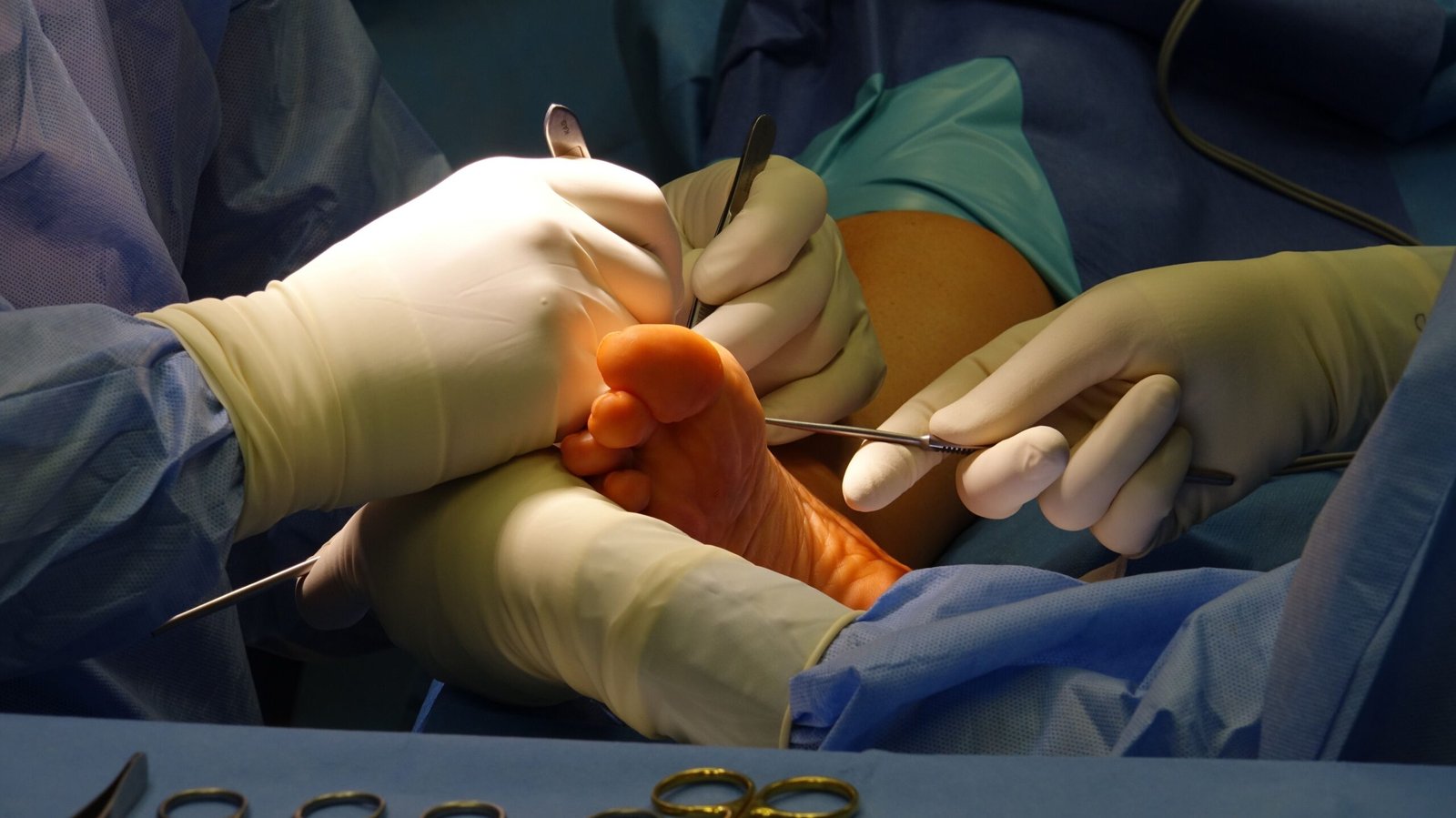
When bone or joint pain starts affecting everyday life, finding the right medical care becomes a priority. A knee that hurts while climbing stairs, a shoulder injury after a fall, or a fracture that needs immediate attention can all require different types of orthopedic care.
For patients and families, choosing the Best Orthopedic hospital in Guntur is therefore about more than finding a nearby hospital. The doctor’s experience, diagnostic facilities, treatment options, rehabilitation services, and overall approach to patient care can all make a difference.
Why the Right Orthopedic Hospital Matters
Orthopedic problems range from minor injuries to conditions that require complex surgery. The hospital you choose should be capable of addressing the particular problem rather than offering only general medical care.
A suitable orthopedic hospital can bring several aspects of treatment together, including:
- Specialist consultation
- Diagnosis and imaging
- Non-surgical treatment
- Orthopedic surgery
- Joint replacement
- Physiotherapy
- Rehabilitation
- Follow-up care
Having these services available can make the treatment journey easier for patients.
Start With the Orthopedic Specialists
Doctors are naturally one of the first things patients should investigate.
Look at a specialist’s:
- Qualifications
- Experience
- Area of orthopedic expertise
- Surgical experience, where relevant
- Approach to patient communication
Orthopedics is a broad field. A doctor experienced in treating sports injuries may have a different area of focus from a specialist who primarily performs joint replacement procedures.
Choosing someone whose experience matches your condition can be helpful.
Diagnosis Should Come Before Treatment
It’s tempting to search for a treatment as soon as pain appears. However, the same symptom can have different causes.
For example, knee pain may result from an injury, arthritis, ligament damage, or another condition. A proper examination and appropriate investigations can help the doctor understand what is actually happening.
Depending on the problem, diagnostic support may include:
- X-rays
- Blood tests
- MRI scans
- CT scans
- Other clinical assessments
A good orthopedic hospital should have access to appropriate diagnostic facilities or a reliable process for arranging them.
Not Every Orthopedic Problem Needs Surgery
One important point patients should remember is that orthopedic care isn’t always about surgery.
Depending on the diagnosis, treatment may include:
- Medication
- Rest
- Physiotherapy
- Exercise
- Lifestyle or activity changes
- Rehabilitation
- Other conservative approaches
Surgery may be recommended when it is medically appropriate.
When considering the Best Orthopedic hospital in Guntur, patients should therefore look for a hospital where doctors discuss the available treatment options rather than assuming that surgery is always necessary.
Joint Replacement Requires Specialised Care
For people with severe arthritis or significant joint damage, joint replacement may become an option.
Common procedures include:
- Knee replacement
- Hip replacement
- Shoulder replacement
- Elbow replacement
Patients considering these procedures should ask about the surgeon’s relevant experience, hospital facilities, expected recovery, rehabilitation, and follow-up arrangements.
Happy Hospitals, also known as Shri Ramchandra Joint Replacement Center, lists knee, hip, shoulder, and elbow replacement among its orthopedic services.
Technology Can Support Orthopedic Treatment
Modern technology has become an increasingly visible part of orthopedic care.
Depending on the patient’s condition and the procedure being considered, hospitals may offer computer-assisted or robotic-assisted techniques.
Happy Hospitals lists robotic joint replacement and computer-assisted joint replacement among its services.
However, technology alone should not determine a patient’s decision. Patients should ask their doctor why a particular technique is appropriate for their individual condition.
Rehabilitation Is Part of Recovery
An operation may address the underlying orthopedic problem, but recovery often continues afterwards.
Physiotherapy and rehabilitation can help patients work toward:
- Better mobility
- Improved strength
- Flexibility
- Reduced stiffness
- Return to normal activities
The exact rehabilitation programme depends on the condition and treatment.
When comparing hospitals, ask whether physiotherapy and follow-up support are available after treatment.
Consider the Hospital’s Overall Facilities
A patient’s experience can involve much more than a doctor’s appointment.
Before choosing a hospital, consider whether it provides appropriate:
- Diagnostic services
- Operation theatre facilities
- Nursing support
- Patient rooms
- Physiotherapy
- Post-operative care
- Emergency services
- Follow-up consultations
Having relevant services in one healthcare setting can make coordination easier.
Communication With the Doctor Matters
Medical treatment is a partnership between the patient and healthcare professional.
A good consultation should give patients an opportunity to understand their condition and ask questions.
You may want to ask:
- What is causing my symptoms?
- Do I need any tests?
- What treatment options do I have?
- Can the condition improve without surgery?
- If surgery is needed, what does it involve?
- What are the potential risks?
- How long could recovery take?
- Will I need physiotherapy?
Clear answers can make a complicated medical decision easier to understand.
Location and Accessibility Should Not Be Ignored
Orthopedic treatment can require several visits.
A patient may need consultations, tests, surgery, physiotherapy, and follow-up appointments. Travelling long distances for each visit can become difficult, particularly after surgery or an injury.
Consider:
- Distance from home
- Transport availability
- Parking
- Appointment scheduling
- Accessibility for elderly or mobility-limited patients
Convenience isn’t the most important factor, but it can certainly make treatment easier.
Look Beyond Online Ratings
Online reviews can be helpful when researching hospitals, but they should be treated as one source of information.
Reviews may provide insight into:
- Staff behaviour
- Appointment experience
- Communication
- Hospital environment
- Waiting times
However, every patient has a different medical condition and treatment experience.
A hospital’s medical expertise and facilities should carry more weight than a single online review.
Understand the Treatment Costs
Orthopedic treatment costs can vary significantly.
The final expense may depend on:
- Consultation
- Diagnostic tests
- Medicines
- Hospitalisation
- Surgery
- Implants
- Physiotherapy
- Follow-up care
Before undergoing major treatment, ask for a clear explanation of expected expenses.
Patients with health insurance should also confirm coverage and hospital network status with their insurer.
Why Consider Happy Hospitals?
Patients searching for the Best Orthopedic hospital in Guntur can consider Happy Hospitals, also known as Shri Ramchandra Joint Replacement Center.
The hospital provides orthopedic and joint replacement services and lists treatment for conditions involving the knee, hip, shoulder, and other parts of the musculoskeletal system. Its website also highlights services including sports injury care, ligament treatment, physiotherapy, robotic joint replacement, and computer-assisted joint replacement.
Happy Hospitals identifies Dr. Sivaiah Potla as its chief orthopedic surgeon and states that he has more than 20 years of experience.
Patients should discuss their particular symptoms and treatment requirements with a qualified orthopedic specialist before making a healthcare decision.
When Should You See an Orthopedic Doctor?
Consider consulting an orthopedic specialist if you experience problems such as:
- Persistent joint pain
- Repeated swelling
- Difficulty walking
- Reduced joint movement
- Sports injuries
- Suspected fractures
- Persistent back or neck problems
- Pain that interferes with daily activities
A doctor can determine whether the issue requires orthopedic care or another type of medical evaluation.
When Is Emergency Care Necessary?
Not every orthopedic problem requires an emergency visit, but serious injuries can.
Seek urgent medical attention after major trauma, suspected serious fractures, loss of consciousness, severe bleeding, or other potentially serious symptoms.
If you’re unsure about the seriousness of an injury, professional medical advice should be sought promptly.
When a Second Opinion May Help
A second opinion can be useful when a major procedure has been recommended and you want another qualified doctor’s perspective.
This can help you better understand:
- Your diagnosis
- Available treatment options
- Reasons for surgery
- Expected recovery
- Possible alternatives
A second opinion doesn’t necessarily mean that the first recommendation was wrong. It simply gives you more information before making a significant decision.
Questions to Ask Before Choosing a Hospital
Before selecting an orthopedic hospital, consider asking:
- Which orthopedic specialists are available?
- Does the hospital treat my specific condition?
- How experienced is the relevant specialist?
- What diagnostic facilities are available?
- Are non-surgical treatments offered?
- What surgical procedures are performed?
- Is physiotherapy available?
- What follow-up care is provided?
- What are the expected treatment costs?
- Does the hospital accept my insurance?
Getting clear answers can make the selection process much easier.
Quick Checklist
| Factor | What to Check |
|---|---|
| Doctors | Qualifications and relevant experience |
| Diagnosis | Appropriate testing facilities |
| Treatment | Surgical and non-surgical options |
| Technology | Relevant modern treatment techniques |
| Surgery | Experience with the required procedure |
| Rehabilitation | Physiotherapy and follow-up |
| Communication | Clear explanations |
| Cost | Treatment and additional expenses |
| Insurance | Coverage and hospital network |
| Accessibility | Location and transport |
Final Thought
Choosing the Best Orthopedic hospital in Guntur matters because orthopedic treatment can involve several stages, from diagnosis and treatment to rehabilitation and long-term follow-up. Patients should consider the doctor’s experience, hospital facilities, treatment options, diagnostic support, rehabilitation services, communication, cost, and accessibility before making a decision.
Happy Hospitals is one option patients can explore when looking for orthopedic and joint replacement care in Guntur. Ultimately, the right hospital depends on the patient’s individual condition, and treatment decisions should be made after consultation with a qualified orthopedic professional.